Ads help us keep this site online
8th October 2020
Posted by Aston Avery
Indoor and outdoor air affects the health of our children. However new evidence is emerging that shows poor air quality is not only damaging children’s health, but is having an impact on their ability to learn.
To mark Clean Air Day 2020, the University of Manchester (UoM), on behalf of the coordinators of Clean Air Day, Global Action Plan, and the Philips Foundation, have published new modelling demonstrating that maintaining lower outdoor air pollution (NO2) levels could improve a child’s ability to learn.
The model finds that maintaining lower air pollution levels by 20% could enhance the development of a child’s working memory by 6.1%, the equivalent of four weeks extra learning time per year. In addition to improving children’s health, the Programme’s latest findings from the UoM
modelling show that reducing air pollution will also improve children’s ability to learn, supporting teachers who are already under pressure to ensure pupils regain lost education time during lockdown.
Aston spoke to Larissa Lockwood from Global Action Plan to discuss the true effects of air pollution on our children and the most effective
ways to collaboratively tackle it.
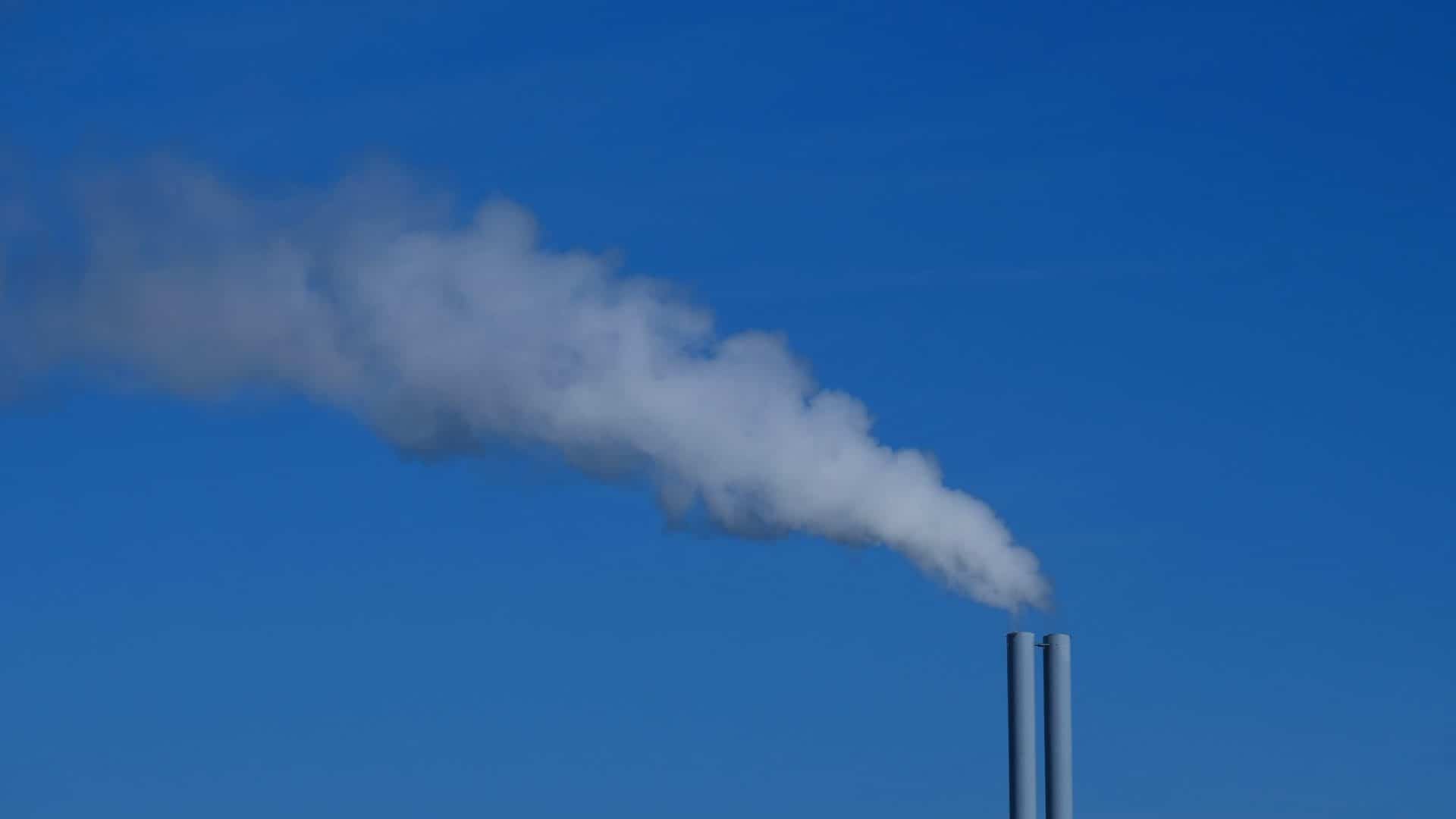
Photo by Ria Puskas on Unsplash
COVID-19