Ads help us keep this site online
13th May 2020
Posted by Johnny Jenkins
Following plans launched by the Transport Secretary on 9 May 2020, Essex cycling campaigner Adam Jones is calling for local authorities to fast-track the Government’s new measures to ensure that cycling and walking remains part of the ‘new normal’.
As part of the plan, the Government aims to introduce pop-up bike lanes with protected space for cycling, wider pavements, safer junctions, and cycle and bus-only corridors throughout England within weeks as part of a £250 million emergency active travel fund – the first stage of a £2 billion investment, as part of the £5 billion in new funding announced for cycling and buses last February.
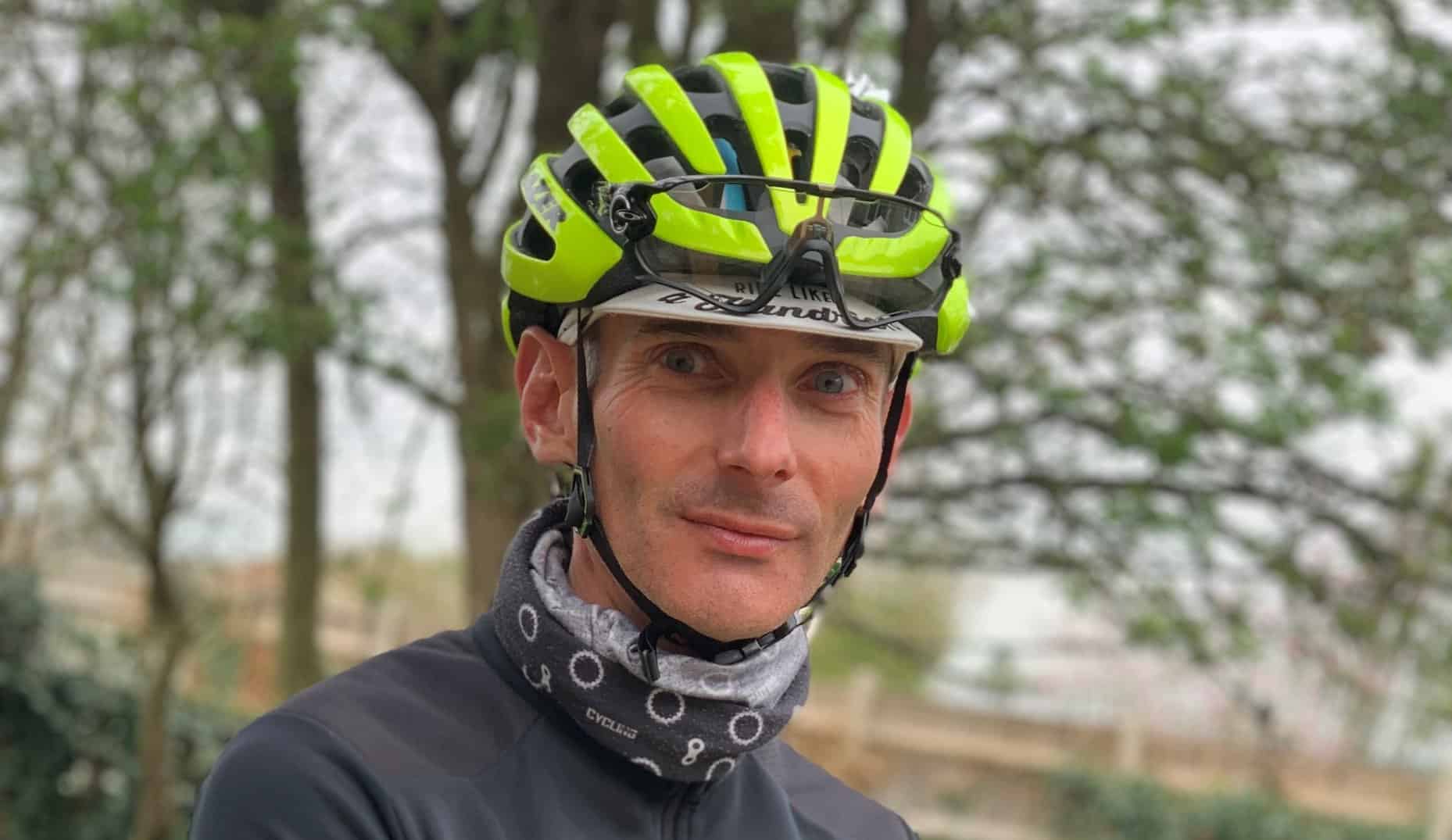
Johnny spoke to cycling campaigner, Adam Jones:
Since the lockdown was introduced on 23 March 2020, Essex, along with other counties across the UK, has seen unprecedented levels of walking and cycling during the pandemic. Consequently, there have been calls to further encourage even more people to choose alternatives to individual or public transport when they need to travel, making healthier habits easier and helping make sure the road, bus and rail networks are ready to respond to future increases in demand.
At the heart of the new fund, is the stated desire to “make it easier for people to use bikes to get around”. Greater Manchester already has a scheme underway to create 150 miles of protected cycle track, while Transport for London has plans to introduce a so-called ‘Bike Tube’ network above Underground lines.
Statutory guidance was published on 9 May 2020 and became effective immediately, telling councils to reallocate road space for significantly-increased numbers of cyclists and pedestrians. In towns and cities, some streets could become bike and bus-only, while others would remain available for motorists.
An additional aspect of the guidelines was to see more side streets closed to through-traffic, to create low-traffic neighbourhoods and reduce rat-running, while maintaining access for vehicles.
Furthermore, vouchers are set to be issued for cycle repairs, to encourage people to get their old bikes out of the shed and made fully road-worthy by local, professional bike technician. It is also expected that more people will take up the Cycle to Work scheme, which gives employees a discount on a new bike.
These new measures are crucial, at a time when public transport services remain restricted, with trains and buses already becoming over-crowded and some roads experiencing gridlock at peak times – holding up emergency services, key workers and vital supplies.
Cars will continue to remain vital for many, but as the lockdown has shown, if we are to build a healthier, greener and safer society, we must adopt a new approach to travel sooner rather than later.
In the next five years, the Government’s aim is to double cycling and increase walking, AKA ‘Active Travel’. This will require:
- The creation of a national cycling and walking commissioner and inspectorate
- Higher standards for permanent infrastructure across England
- Getting GPs to prescribe cycling and exercise
- Creating a long-term budget for cycling and walking similar to what happens for roads
Borrowing from Chris Boardman’s ‘Made to Move’ report, written for the Mayor of Greater Manchester, cycling campaigner Adam Jones thinks that there should be a joined-up approach across Essex; a coordinated plan shared between local authorities across the county. Adam argues that, here in South Essex, you have Southend, an essentially urban community bordering Rochford which, in large parts, is almost entirely rural. Not forgetting Castle Point, which also abuts Southend.
Adam argues that with the opportunity to invest Government funds in our infrastructure, first we need to establish the goal: is it purely to double active travel in Essex by 2025? Or is it to double it and then double again in order to make cycling and walking the natural choice for as many short trips as possible?
The cycling campaigner agues that in order to do this, you have to have a people-centric vision, not one based on the needs of vehicle users. Do our local authorities have this objective in common? Do councillors and MPs throughout the county aspire to have world-class streets for active travel, a desire to create one of the country’s best cycle networks, and create a genuine culture of cycling and walking in Essex?
If they do, then Adam Jones argues that they should:
- Publish a detailed, Essex-wide walking and cycling infrastructure plan ASAP.
- Establish a ring-fenced, 10-year, fund to kick-start delivery for walking and cycling. With a stated number of miles covering identified key routes connecting towns across Essex. This is the scale of network we need to aim for.
- Develop a new, total highway design guide and sign up to the Global Street Design Guide.
- Deliver temporary street improvements to trial new schemes for local communities.
- Ensure all upcoming public realm and infrastructure investments, alongside all related policy programmes, have walking and cycling integrated at the development stage.
- Develop a mechanism to capture and share the value of future health benefits derived from changing how we travel.
- Work with industry to find alternatives to heavy freight and reduce excess lorry and van travel in urban areas.
- Partner with schools and local authorities to make cycling and walking the first choice for the school run, and take action on traffic and parking around schools.
- Deliver year-on-year reductions to the risk per kilometre travelled, by working with Essex Police to create a dedicated task force to improve safety on roads and junctions.
- Call for devolved powers to enforce moving traffic offences, and develop strategies for reducing antisocial driving (such as close-passing within 1.5 metres of cyclists), through public spaces protection orders.
- Prioritise investment based on the measurement of people movement, rather than motor-traffic, and integrate with a new street satisfaction index.
- Ensure local communities are engaged and supported in the development and use of new infrastructure and programmes.
- Deliver greater levels of public access to bikes in major towns, such as Chelmsford, Colchester, Basildon and Southend, working with the private sector to deliver low cost and innovative solutions.
- Work with local businesses to help shape our new network and achieve a culture-shift on commuting.
- Launch a series of public-engagement events or festivals that create low volumes of vehicular traffic in our towns and village centres to trial street closures on the network.
According to data from 2017, the average car or van driver’s commute per year was 788 miles. That equates to just over 16 miles a week, or 3 miles per day. That’s easily done on a bike.
Over 50% of kids in the Netherlands cycle to school. In the UK, the figure is just 3%. What does that say about us?
Adam Jones, a former Southend Borough Councillor and current member of Southend Wheelers and Manchester Wheelers says:
“The lockdown made it crystal clear that if we restrict the opportunity to drive at any and every available chance, congestion, pollution and high levels of physical inactivity were reversed.
“Successive local authorities and indeed, national governments, have prioritised roads over active travel. Now is the time to change that, giving cycling and walking equal status.
“This isn’t about bending over backwards for the lycra-brigade, it’s about creating safer, healthier and better places to live and work. Cycling or walking represents a fantastic alternative to driving but to make it more so needs money and a shared vision to deliver it. The Government has made the first tranche of money and guidelines available for local councils to deliver on that vision. This is almost certainly a once-in-a-lifetime opportunity to radically change how many people get from A to B, it is beholden on us all not to let it slip through our fingers.”
COVID-19